
Understanding the Gospel
Imagine standing at a crossroads, knowing that understanding the gospel of Jesus Christ is the key to making a choice that determines your eternal destiny. Every person faces this reality, whether they realize it or not. The gospel reveals God’s power, mercy, and the path to eternal life.
For two thousand years, people have wrestled with the same question: will they stumble or believe? Some see the gospel as good news; others find it difficult to accept. As the apostle Paul explained:
“For indeed Jews ask for signs and Greeks search for wisdom; but we preach Christ crucified, to Jews a stumbling block, and to Gentiles foolishness, but to those who are called, both Jews and Greeks, Christ the power of God and the wisdom of God.” (1 Corinthians 1:22–24)
The Importance of Understanding the Gospel
Most people are familiar with the word gospel, but many don’t fully grasp what it means. In everyday language, it often refers to something considered completely true or trustworthy. For example, people say, “Don’t take everything you read online as gospel.”
In the Bible, however, the word has a more specific meaning. The Greek term euaggelion literally means “good news.” In Mark 1:15, Jesus declared:
“The time is fulfilled, and the kingdom of God has come near; repent and believe in the gospel.”
Paul Explains the Gospel
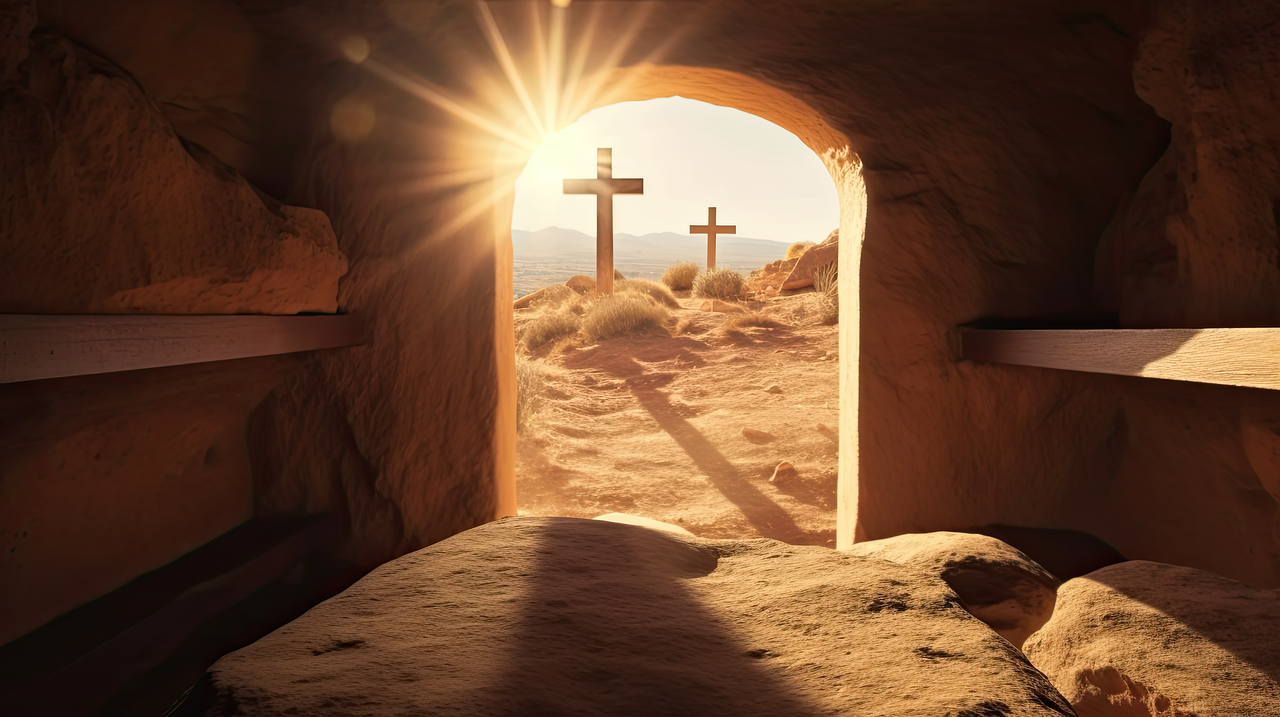
So what is this good news that the gospel brings? The apostle Paul explains it clearly in Romans 1:16: “For I am not ashamed of the gospel, because it is the power of God that brings salvation to everyone who believes.”
In his letter to the Romans, the apostle Paul provides a clear and powerful definition of the gospel. He describes it not merely as a set of ideas, but as “the power of God that brings salvation to everyone who believes. Ultimately, Paul emphasizes that the gospel is a universal offer, available to anyone who is willing to believe and receive God’s grace.
This suggests that the “good news” is an active, divine force capable of transforming lives. Three truths stand out in this verse:
The gospel has divine power – It provides the way to salvation – It must be believed.
In other words, understanding the gospel isn’t just knowing about it—it’s recognizing that God’s power is at work to save, that salvation is available to all, and that faith is the key to receiving it.
Understanding the Gospel of Salvation Through God’s Power
The gospel demonstrates God’s power because He alone provides the way of salvation. Salvation ultimately concerns where a person will spend eternity—heaven or hell.
Scripture teaches that, because of our sinful nature, all people stand guilty before God:
“For all have sinned and fall short of the glory of God.” (Romans 3:23)
The glory of God is perfect righteousness, and no human being is perfectly righteous. Therefore, no one is qualified to enter heaven on their own merit. This is tragic news for every person, regardless of social status or religious engagement. This is why the gospel of Jesus is truly “good news.” It provides a remedy for all.
Salvation Through God’s Power

The glory of God represents perfect righteousness, and no human being possesses this on their own. Therefore, no one can earn a place in heaven through personal effort or good works. Without God’s intervention, every person is destined to perish in hell. separation from Him.
Here is where the gospel becomes truly good news. God provided a solution by sending His Son, Jesus Christ, into the world. He came as a man, lived a life of perfect righteousness, and willingly went to the cross, taking the punishment we deserved. God placed our sins on Him, and through His sacrifice, justice and mercy were perfectly fulfilled. In doing so, God upheld His perfect justice while also extending mercy to sinners.
Jesus’ death on the cross was not the end. He rose from the dead, conquering sin and death. In doing so, He made a way for humanity to be reconciled with God. As John 3:16 reminds us:
“For God so loved the world that He gave His only begotten Son, that whoever believes in Him will not perish [go to hell] but have eternal life [go to heaven].” (John 3:16)
To receive this gift, faith is required. Believing in the gospel is not merely intellectual agreement; it is trusting God’s power to save and responding to His call. Faith unlocks God’s promise of eternal life and reconciles us to Him.

Why the Gospel Was a Stumbling Block: Jewish Expectation
Even though the gospel offers good news, many of God’s chosen people struggled to accept it. Jewish leaders and ordinary people often stumbled over Jesus because He did not match their expectations of the Messiah.
The Old Testament contains hundreds of prophecies about the Messiah—estimates often cite over 300. Many of these were fulfilled in Jesus’ first coming. Yet He was rejected by many because He did not conform to the image of a conquering king that they had envisioned.
Some key prophecies fulfilled by Jesus include:
- Born of a virgin (Isaiah 7:14)
- Born in Bethlehem (Micah 5:2)
- Descendant of King David (Jeremiah 23:5)
- A messenger would prepare His way (Malachi 3:1)
- Entered Jerusalem riding on a donkey (Zechariah 9:9)
- Betrayed by a friend for thirty pieces of silver (Zechariah 11:12–13)
- Hands and feet pierced (Psalm 22:16)
- Soldiers casting lots for His clothing (Psalm 22:18)
- Bearing the sins of humanity (Isaiah 53)
Beyond prophecy, Jesus performed miraculous signs that confirmed His identity as the Messiah:
- He raised the dead and healed the sick.
- He gave sight to a man, who was blind from birth.
- He calmed storms with a command.
- He multiplied food to feed thousands.
- He walked on water across the Sea of Galilee.
- His ultimate triumph: resurrection from the dead, appearing to over 500 witnesses over forty days. At the time Paul wrote 1 Corinthians 15, most of these witnesses were still alive, meaning their testimony could be verified.
It is remarkable that, despite this evidence, many of His own people—including religious leaders—rejected Him. Even today, many in the Jewish community do not recognize Jesus as the promised Messiah.
Seeing the Gospel as Foolish: Gentile Rejection

While Jewish people stumbled over the gospel because it did not meet their expectations, many in the Gentile world dismiss it as foolishness. To those who rely solely on human wisdom, the idea that salvation comes through a crucified Savior seems irrational. Yet Paul reminds us that, “To those who are called, both Jews and Gentiles, Christ is the power and wisdom of God” (1 Corinthians 1:22–24).
The gospel forces a personal decision. Which camp are you in? Do you embrace the good news of God’s salvation, trusting His power to reconcile you to Him? Or does the grace of God leave you confused or even skeptical, causing you to reject His mercy as foolishness? Understanding the gospel is key to making the right choice.
The stakes are eternal. Scripture warns: “And this is the judgment: the Light has come into the world, and people loved the darkness rather than the Light, for their deeds were evil.” (John 3:19)
Yet there is hope. The Lord still opens the eyes of the spiritually blind. If you allow Him to, He can guide you from darkness into light, revealing the truth and power of His gospel before it’s too late.
What is your next step?
Understanding the gospel is a journey that requires a personal decision. Are you ready to move from stumbling to believing and from foolishness to wisdom? We would love to hear your thoughts or answer any questions you have about the path to eternal life. Leave a comment/question below.